

Health Tips

Dengue fever
Health Tips

Dengue Fever

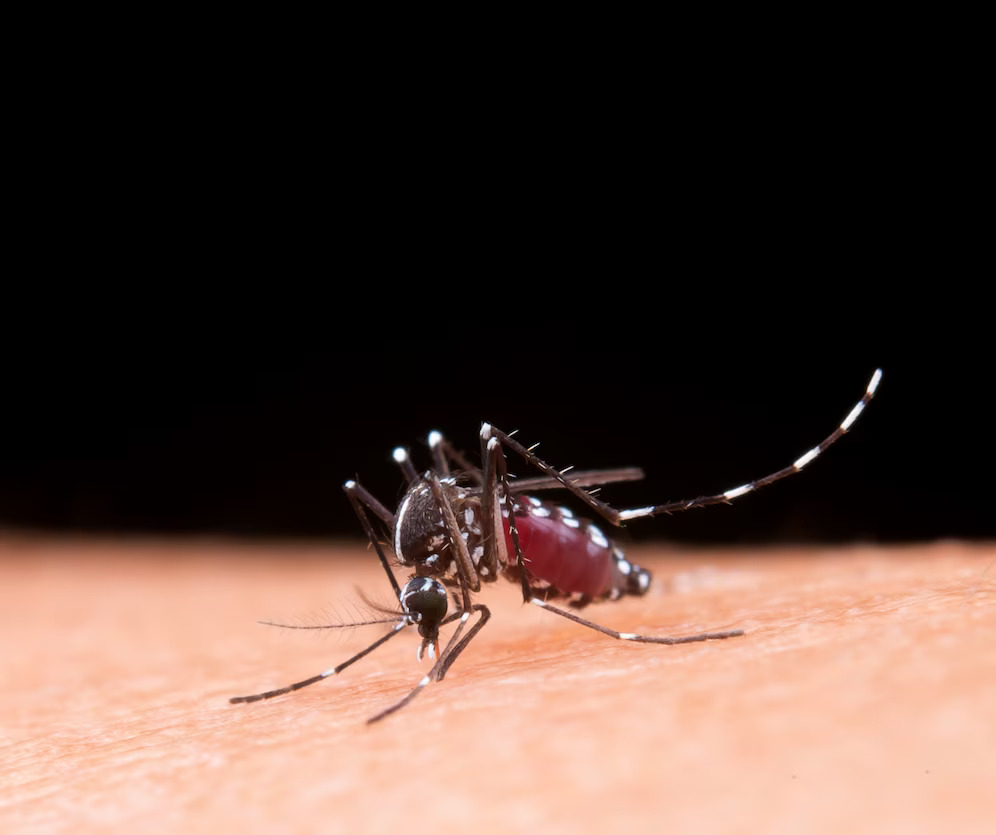
What is Dengue? Dengue viruses are spread to people through the bite of an infected Aedes species (Ae. aegypti or Ae. albopictus) mosquito. Areas with Risk of Dengue The disease is common in many popular tourist destinations in the Caribbean (including Puerto Rico), Central and South America, Southeast Asia, and the Pacific Islands. In the United States, local cases and limited spread of dengue does occur periodically in some states with hot, humid climates and Aedes mosquitoes. Symptoms If symptoms occur, they usually begin 4–10 days after infection and last for 2–7 days. Symptoms may include: high fever (40°C/104°F) severe headache pain behind the eyes muscle and joint pains nausea , vomiting swollen glands rash. Individuals who are infected for the second time are at greater risk of severe dengue. Symptoms of severe dengue Watch for signs and symptoms of severe dengue. Warning signs usually begin in the 24–48 hours after your fever has gone away. Immediately go to a local clinic or emergency room if you or a family member has any of the following symptoms. Belly pain, tenderness Vomiting (at least 3 times in 24 hours ) Bleeding from the nose or gums Vomiting blood, or blood in the stool Feeling tired, restless, or irritable being very thirsty pale and cold skin   Symptoms of dengue can become severe within a few hours. Severe dengue is a medical emergency. If you have any warning signs, see a healthcare provider or go to the emergency room immediately. Severe dengue is a medical emergency. It requires immediate medical care at a clinic or hospital. If you are traveling, find health care abroad. Diagnosis A blood test is the only way to confirm the diagnosis. As dengue fever symptoms in its early stages are very similar to symptoms of other viral illnesses such as chikungunya virus and zika virus infection, in addition to observing the patient’s symptoms and reviewing their medical history, the doctor will carry out the following tests to accurately diagnose dengue fever: Complete Blood Count (CBC) to look for any anomalies in blood composition, including hemoglobin, leukocyte, platelets, and blood concentration NS1 Ag Treatment There is no specific medicine to treat dengue. Treat the symptoms of dengue and see your healthcare provider. See a healthcare provider if you develop a fever or have symptoms of dengue. Tell him or her about your travel. Rest as much as possible. Take acetaminophen (also known as paracetamol outside of the United States) to control fever and relieve pain. Do not take aspirin or ibuprofen! Drink plenty of fluids to stay hydrated. Drink water or drinks with added electrolytes.   Recovery After receiving treatment patients will have an appetite; some patients may have a red rash with small white circles. Prevention Controlling the mosquito breeding areas Empty and clean every water container at least once a week To kill mosquito lavae put 1 gm. of Temephos sand ( Abate ) per 10litres of water in every container  Remove, empty or cover used tyres or jars that collect water Put sand in Flowerpot saucers to absorb the water Use mosquito repellant on exposed skin and dress protectively especially during the daytime. Use bed-nets and keep unscreened windows and door closed.  Avoid dark, stuffy, dingy rooms

House hotel header
Health Tips

Top Tips for Hormonal Well-Being: Nurturing Balance and Health

Subtitle: “Simple yet effective strategies for maintaining hormonal equilibrium and promoting overall well-being.”   Prioritize a Healthy Diet: Nourish Your Hormones from Within A balanced and nutrient-rich diet is essential for hormonal well-being. Incorporate foods rich in healthy fats, such as avocados and nuts, which support hormone production. Include high-fiber foods like whole grains and vegetables to aid digestion and prevent blood sugar imbalances. Opt for lean proteins, such as fish and legumes, which provide essential amino acids for hormone synthesis. Remember to limit processed foods, sugary snacks, and excessive caffeine, as they can disrupt hormonal balance.   Regular Exercise: Keeping Hormones Active and Balanced Engaging in regular physical activity is vital for hormonal health. Exercise helps regulate insulin levels, reduces stress hormones, and promotes the release of endorphins, which can uplift mood and reduce menstrual discomfort. Aim for a combination of aerobic exercises, strength training, and flexibility exercises like yoga or Pilates. Find activities you enjoy and make them a consistent part of your routine.   Manage Stress: Cultivate Relaxation and Emotional Well-being Chronic stress can wreak havoc on hormone levels, leading to imbalances and negative health consequences. Incorporate stress-management techniques such as meditation, deep breathing exercises, or mindfulness practices to reduce stress hormone production. Engage in activities that bring joy and relaxation, such as spending time in nature, pursuing hobbies, or connecting with loved ones. Prioritizing self-care and maintaining a healthy work-life balance are also crucial for managing stress effectively.   Get Sufficient Sleep: Recharge Your Hormonal System Adequate and quality sleep is vital for hormonal well-being. During sleep, the body restores hormone levels and supports overall health. Aim for 7-9 hours of uninterrupted sleep each night, and establish a regular sleep schedule. Create a calming bedtime routine, minimize exposure to electronic devices before bed, and ensure your sleep environment is conducive to relaxation and rest.   Maintain a Healthy Weight: Strive for Balance and Body Positivity Maintaining a healthy weight is essential for hormonal balance. Excess body fat, particularly around the waistline, can disrupt hormone production and increase the risk of hormonal imbalances. Focus on adopting a balanced approach to weight management, emphasizing body positivity, self-acceptance, and sustainable lifestyle changes. Seek guidance from healthcare professionals or registered dietitians to create a personalized plan that suits your unique needs.   Hormone-Friendly Supplements: Consult with a Professional Certain supplements, under the guidance of a healthcare professional, may support hormonal health. Vitamin D, omega-3 fatty acids, magnesium, and adaptogenic herbs like ashwagandha and maca are known to have potential benefits for hormonal balance. However, it’s crucial to consult a healthcare provider or a registered dietitian before introducing any supplements to ensure safety and effectiveness.   Regular Health Check-ups: Stay Informed and Proactive Regular check-ups and consultations with healthcare professionals are essential for monitoring and maintaining hormonal well-being. Discuss any concerns or symptoms related to hormonal imbalances with your healthcare provider, who can recommend appropriate tests, offer guidance, and provide necessary treatments or interventions. Remember, these tips are general guidelines, and individual hormone levels and health conditions may vary. It’s important to consult with healthcare professionals for personalized advice and recommendations based on your specific needs and circumstances.

Scroll to Top