
Author name: Simon Bailey

Simon
About us
Phuket Doctors

7 Essential Health Screening Packages in Phuket: Your Guide to Preventive Healthcare in 2025

Introduction Thailand has established itself as a leading destination for medical tourism, with healthcare costs significantly lower than Western countries while maintaining high standards of care. For residents and visitors in Phuket, comprehensive health screening packages offer an opportunity to prioritise preventive healthcare at accessible prices. Preventive healthcare through regular screenings can detect potential health issues early, when they’re most treatable. This approach is particularly valuable in tropical climates where certain health risks may differ from temperate regions. Understanding your options for health screening in Phuket can help you make informed decisions about your healthcare needs. Why Consider Health Screening in Phuket Living in or frequently visiting tropical locations presents unique health considerations. Regular health screenings can identify potential issues before symptoms appear, allowing for early intervention and better outcomes. Additionally, maintaining health records while living abroad or travelling frequently ensures continuity of care. Many international residents and long-term visitors find that establishing a relationship with healthcare providers in their location of residence provides peace of mind and ensures access to care when needed. Common Types of Health Screening Packages Basic Health Screening These packages typically include fundamental tests such as blood pressure monitoring, basic blood work, and routine physical examinations. They’re suitable for healthy individuals seeking general health assessments. Comprehensive Health Screening More extensive packages often include additional tests such as cardiac assessments, cancer screening markers, and organ function evaluations. These are appropriate for individuals with family histories of certain conditions or those seeking thorough health evaluations. Age-Specific Screening Different age groups require different screening approaches. Packages may be tailored for young adults, middle-aged individuals, or seniors, focusing on age-appropriate health concerns. Specialised Screening Some packages focus on specific health areas, such as cardiac health, women’s health, or cancer screening, allowing individuals to address particular concerns or risk factors. What Health Screenings Typically Include Standard health screening packages commonly include blood tests to assess various markers, physical examinations, vital sign monitoring, and consultations with healthcare professionals. More comprehensive packages may include imaging studies, specialist consultations, and additional diagnostic tests based on individual risk factors. The specific tests included vary by package and healthcare facility, with many providers offering customisation based on individual needs and medical history. Major Healthcare Facilities in Phuket Phuket hosts several established healthcare facilities that offer screening packages. These include both public and private hospitals, with private facilities often catering specifically to international patients and medical tourists. When selecting a healthcare facility, consider factors such as accreditation, language support, insurance acceptance, and the specific services offered. Many facilities employ English-speaking staff and are experienced in working with international patients. Cost Considerations The starting price of health check-ups in Thailand is around $350 , though costs vary significantly based on the comprehensiveness of the package and the facility chosen. Medical check-ups in Thailand are 2-3 times lower than in Europe and 4-5 times cheaper than in the USA. Basic packages may start from a few thousand Thai Baht, while comprehensive screenings can cost significantly more. When comparing costs, consider what’s included in each package and whether additional services or follow-up care are provided. Choosing the Right Screening Package Selecting an appropriate health screening package depends on several factors including your age, health history, risk factors, and personal concerns. Consider your family medical history, lifestyle factors, and any symptoms or concerns you may have. It’s advisable to consult with healthcare professionals about which screenings are most appropriate for your situation. Many facilities offer consultation services to help determine the most suitable package for your needs. Booking and Preparation Most healthcare facilities in Phuket that cater to international patients offer English-language booking services. Some may require advance booking, particularly during peak tourist seasons. Preparation for health screening typically involves following specific instructions provided by the healthcare facility, which may include fasting requirements, medication adjustments, or other preparation steps. Clear communication with the facility about your needs and any concerns is important. Understanding Results and Follow-up Healthcare facilities typically provide results within a specified timeframe, often with explanations of what the results mean. If abnormalities are detected, facilities usually provide guidance on appropriate follow-up care. For international patients, ensuring that results are provided in formats that can be shared with healthcare providers in your home country is important for continuity of care. Frequently Asked Questions How often should health screenings be performed? The frequency depends on age, risk factors, and individual health status. Healthcare providers can recommend appropriate screening schedules based on your circumstances. Are screenings available for tourists? Many facilities offer screening packages designed for visitors, though advance booking is typically required. What documentation is needed? Requirements vary by facility, but typically include identification and may include medical history or insurance information. Can results be shared with doctors in other countries? Most facilities provide results in formats that can be shared with healthcare providers internationally. Conclusion Health screening packages in Phuket offer an accessible way to prioritise preventive healthcare while in Thailand. With various package options available at different price points, individuals can choose screenings that match their needs and circumstances. Regular health screening is an investment in long-term health and wellbeing. By understanding your options and choosing appropriate screenings, you can take proactive steps towards maintaining your health while living in or visiting Phuket. Consider consulting with healthcare professionals about which screening options are most appropriate for your situation, and don’t hesitate to ask questions about packages and services available.

Phuket beach safety
Phuket Safety

Are Phuket Beaches Safe To Swim? Essential Medical Facts Every You Should Know

Introduction When planning a tropical holiday to Phuket its important to know, are Phuket Beaches safe for swimming?  Swimming safety represents a crucial health consideration that requires careful evaluation. As medical professionals, we regularly advise patients about the various health risks associated with swimming in tropical coastal waters, particularly in Southeast Asia. Understanding these risks enables informed decision-making about water activities whilst maintaining optimal health and safety throughout your travels. This comprehensive medical guide examines the established health considerations for swimming in tropical beach environments like Phuket, based on evidence from recognised health authorities including the CDC, WHO, and NHS. Swimming in any tropical coastal environment presents inherent health risks that vary depending on water quality, seasonal conditions, and individual health factors. By understanding these medical considerations, travellers can make informed decisions about beach activities and implement appropriate preventive measures. General Health Risks in Tropical Coastal Waters Waterborne Infections Swimming in coastal waters can expose individuals to various bacterial, viral, and parasitic infections. The CDC emphasises the importance of ensuring health and safety in and around pools, hot tubs, splash pads, oceans, lakes, and rivers. Common waterborne pathogens include E. coli, Salmonella, and Shigella, which can cause gastrointestinal illness. Gastroenteritis symptoms typically include nausea, vomiting, diarrhoea, and abdominal cramping. These symptoms may develop within hours to days after exposure to contaminated water. The severity depends on the pathogen involved and individual immune response. Water Quality Concerns According to the WHO, human activity and climate change intensify water pollution risks, with more freshwater and coastal water beaches prone to pollution from overflows of untreated sewage, runoff of animal excreta from nearby farms, or algal blooms triggered by high nutrient loads. These conditions create environments conducive to pathogenic microorganisms that can cause serious illness in swimmers. Poor water quality particularly affects vulnerable populations including children, elderly individuals, and those with compromised immune systems. Skin and Soft Tissue Infections Open wounds, cuts, or abrasions provide entry points for bacterial infections when exposed to contaminated water. Staphylococcus and Streptococcus species commonly cause skin infections following water exposure. These infections may present as cellulitis, requiring antibiotic treatment. Frequently Asked Questions About Tropical Swimming Safety Who Is Most at Risk? Certain populations face increased vulnerability to water-related illnesses. Children, elderly individuals, pregnant women, and immunocompromised patients experience higher rates of infection and more severe symptoms. Individuals with chronic conditions such as diabetes or liver disease also face elevated risks. What Are the Most Common Symptoms? The most frequently reported symptoms following exposure to contaminated water include gastrointestinal distress, skin irritation, ear infections, and respiratory symptoms. Eye irritation and conjunctivitis may also occur after swimming in contaminated waters. How Can I Reduce My Risk? Risk reduction strategies include avoiding swimming with open wounds, not swallowing water whilst swimming, and showering immediately after water exposure. Choose beaches with visible lifeguard presence and avoid swimming during and immediately after heavy rainfall when runoff increases contamination risk. When Should I Seek Medical Attention? Seek immediate medical care for persistent fever, severe dehydration, bloody diarrhoea, signs of skin infection, or worsening symptoms. Early intervention significantly improves outcomes for water-related illnesses. Pre-Travel Health Preparation Vaccination Considerations The CDC recommends that all travellers to Thailand should be up to date on their routine vaccinations, including measles and seasonal influenza. Additional vaccines may be recommended based on individual risk factors and planned activities. Hepatitis A vaccination provides protection against foodborne and waterborne illness, whilst typhoid fever vaccination may be recommended for certain travellers. Japanese encephalitis vaccination might be considered for extended stays or rural travel. Medical Consultation Schedule a comprehensive pre-travel health consultation 4-6 weeks before departure. This allows adequate time for vaccinations to take effect and enables discussion of specific health risks based on your medical history and planned activities. During consultation, discuss any chronic medical conditions, current medications, and specific concerns about water activities. Your healthcare provider can offer personalised recommendations based on your individual risk profile. Swimming Safety Protocols Basic Water Safety The CDC advises travellers to be aware of hazardous marine life, avoid excessive sun exposure, and practice water safety when engaging in snorkeling or scuba diving. These recommendations apply to all water activities in tropical environments. Never swim alone, particularly in unfamiliar waters. Inform someone of your swimming plans and expected return time. Stay within designated swimming areas when available, as these locations typically receive more safety monitoring. Wound Care and Prevention Inspect your skin for cuts, scrapes, or other injuries before entering water. Cover any wounds with waterproof bandages to prevent bacterial contamination. After swimming, clean any cuts thoroughly with clean water and apply appropriate wound care. Pay particular attention to coral cuts, which can be particularly prone to infection due to bacterial contamination and foreign material retention. Clean coral cuts immediately and monitor for signs of infection. Post-Swimming Care Shower immediately after swimming using clean, treated water to remove potential contaminants. Dry ears thoroughly to prevent swimmer’s ear (otitis externa), and change out of wet clothing promptly to prevent skin irritation. Seasonal Health Considerations Monsoon Season Implications Thailand’s monsoon season typically occurs from May through October, bringing increased rainfall and potentially higher levels of water contamination due to runoff. During this period, exercise extra caution when choosing swimming locations and consider avoiding water activities during and immediately after heavy rainfall. Increased cloud cover during monsoon season may reduce UV exposure risk but can also mask dangerous water conditions. Reduced visibility may make it difficult to assess water quality and identify potential hazards. Dry Season Considerations The dry season (November-April) generally presents more favourable conditions for water activities. However, higher tourist volumes during peak season may impact water quality at popular beaches through increased human activity and waste generation. Marine Life Hazards Venomous Marine Animals Tropical waters harbour various venomous marine creatures including jellyfish, sea urchins, and certain fish species. Stings from these animals can cause pain, swelling, and in severe cases, systemic reactions requiring medical intervention. Learn to identify common hazardous marine life in the area

ourteam_phuket_family_health
Phuket Doctors

5 Critical Medical Tourism Insurance Secrets for Phuket Clinics That Could Save You Over $20,000

Introduction Medical tourism to Thailand has grown exponentially, with thousands of international patients seeking quality healthcare at affordable prices. However, whilst the allure of cost-effective medical procedures in Phuket is undeniable, many patients overlook a crucial aspect: proper medical tourism insurance coverage. Visitors to Thailand should have international health insurance, as US-based plans typically do not offer coverage abroad. Without the right plan, you could face high out-of-pocket costs for medical emergencies or routine care. Packages Understanding your insurance options can mean the difference between a successful medical journey and financial disaster. Whether you’re planning cosmetic surgery, dental work, or routine medical procedures in Phuket, having comprehensive medical tourism insurance provides essential protection for your health and finances. Understanding Medical Tourism Insurance Medical tourism insurance differs significantly from standard travel insurance. Whilst travel insurance typically covers emergencies and unexpected medical issues, medical tourism insurance specifically covers planned medical procedures abroad, including complications that may arise during or after treatment. This specialised coverage addresses the unique risks associated with travelling abroad for medical care, including extended recovery periods, potential complications, and the need for follow-up treatments that may not be covered by your domestic health insurance. Why Standard Travel Insurance Isn’t Enough Standard travel insurance policies often exclude coverage for pre-existing conditions and planned medical procedures. They’re designed for tourists who might experience unexpected medical emergencies, not patients who are travelling specifically for medical treatment. Additionally, many travel insurance policies have limited coverage amounts that may not adequately cover the costs of medical complications or extended stays required for recovery. This gap in coverage can leave medical tourists exposed to substantial financial risks. Types of Medical Tourism Insurance Coverage Pre-Procedure Coverage This covers medical consultations, diagnostic tests, and preparatory treatments required before your planned procedure. It ensures you’re financially protected from the moment you begin your medical journey. Procedure Coverage This covers the actual medical procedure you’re travelling for, including surgeon fees, facility costs, and related medical expenses. Coverage levels vary significantly between policies. Post-Procedure Coverage Perhaps most importantly, this covers complications that may arise after your procedure, including additional treatments, extended hospital stays, and follow-up care. This coverage can extend for weeks or months after your initial treatment. Emergency Medical Evacuation We recommend selecting a plan with at least $100,000 in Medical Evacuation coverage. This can also include repatriation to the U.S. if needed for further treatment or in the case of a serious emergency or death. Annual Health Check Up in Bangkok | Samitivej Sukhumvit Hospital This coverage ensures you can be transported to appropriate medical facilities if complications arise. Key Insurance Requirements for Phuket Medical Tourism When selecting medical tourism insurance for Phuket clinics, ensure your policy meets several essential criteria. Your coverage should include adequate medical expense limits, typically ranging from $100,000 to $1 million depending on your procedure complexity. THB 750,000 coverage for medical expenses due to accidents and illnesses (including COVID-19) and THB 1 million for accidental death and disability Health Check-up Packages | Bangkok Hospital Headquarter represents typical coverage levels available through Thai insurance providers. Additionally, your policy should cover complications arising from your planned procedure, extended stays if recovery takes longer than expected, and emergency medical evacuation if serious complications occur. Choosing the Right Insurance Provider When selecting a medical tourism insurance provider, consider their experience with international medical tourism, their network of approved medical facilities in Thailand, and their claims processing efficiency. Some providers specialise in medical tourism and offer more comprehensive coverage for planned procedures. Research whether your chosen provider has established relationships with Phuket medical facilities, as this can streamline the claims process and ensure smoother coordination of care. Cost Considerations and Budgeting Medical tourism insurance costs vary based on several factors including your age, the type of procedure, coverage limits, and the duration of your stay. Generally, premiums range from 4-12% of your total medical tourism budget. With health and safety on the minds of many travellers in the aftermath of the global pandemic, the Royal Thai Government is offering tourists up to $14,000 in medical coverage in case of an accident, as the number of visitors steadily climbs to pre-pandemic levels. Health Check Up in Phuket | Affordable & Trusted Check Ups – Bangkok Health Service | Health check-ups and medical services in Thailand However, this government coverage may not be sufficient for complex medical procedures. Claims Process and Documentation Understanding the claims process before you travel is crucial. Most medical tourism insurance providers require pre-authorisation for planned procedures, detailed medical records, and specific documentation from your treating physicians. Maintain comprehensive records of all medical expenses, treatments received, and communications with your insurance provider. Digital copies of all documents should be stored securely and accessible from multiple locations. Common Exclusions and Limitations Medical tourism insurance policies often exclude certain types of procedures, such as experimental treatments, cosmetic procedures deemed non-essential, or treatments for pre-existing conditions not properly disclosed. Understanding these exclusions before purchasing coverage is essential. Age restrictions, maximum benefit periods, and geographical limitations are other common policy restrictions that can affect your coverage. Frequently Asked Questions Does my domestic health insurance cover medical tourism? Most domestic health insurance policies do not cover planned medical procedures abroad. Some may provide limited emergency coverage, but this rarely extends to complications from planned treatments. How far in advance should I purchase medical tourism insurance? Purchase insurance as soon as you book your medical procedure, ideally several weeks before travel. This ensures maximum coverage and allows time to address any policy questions. Can I purchase insurance after arriving in Thailand? Most medical tourism insurance policies must be purchased before departure from your home country. Some providers may offer coverage after arrival, but options are typically limited. What happens if I need to cancel my medical procedure? Many policies include trip cancellation coverage that can reimburse non-refundable medical and travel expenses if you need to cancel for covered reasons. Tips for Maximising Your Coverage Research your chosen medical facility’s insurance relationships and preferred providers. Many established Phuket clinics work with specific insurance companies, which can

Doctor jusmin general practitioners​
Phuket Doctors

7 Essential Questions About English Speaking Doctors in Phuket Every Tourist Must Know Before Travelling

Introduction Picture this: you’re enjoying a perfect sunset dinner on Patong Beach when suddenly you feel unwell and need immediate medical attention. The last thing you want to worry about is whether your doctor speaks English. For the millions of tourists who visit Phuket annually, finding reliable English-speaking medical care isn’t just a convenience, it’s absolutely essential for peace of mind. Phuket has evolved into a world-class medical tourism destination, boasting internationally trained doctors who speak fluent English and state-of-the-art medical facilities. Whether you’re planning a holiday, considering medical tourism, or relocating to this tropical paradise, understanding your healthcare options could be the difference between a stress-free experience and a medical nightmare. This comprehensive guide addresses the most pressing questions about English-speaking doctors in Phuket, ensuring you’re fully prepared for any medical situation that might arise during your stay. Why English Speaking Doctors Are Crucial for Tourists in Phuket Communication barriers in healthcare can be life-threatening. When you’re explaining symptoms, understanding treatment options, or following post-care instructions, crystal-clear communication becomes paramount. English-speaking doctors eliminate these potentially dangerous misunderstandings whilst providing the comfort and confidence you need during vulnerable moments. Moreover, many tourists arrive in Phuket without comprehensive travel insurance or familiarity with local healthcare systems. English-speaking medical professionals can navigate these complexities with you, explaining procedures, costs, and insurance claims in your native language. Frequently Asked Questions About English Speaking Doctors in Phuket 1. Are There Genuinely Qualified English Speaking Doctors in Phuket? Absolutely. Phuket hosts numerous internationally trained doctors who have studied in countries like the UK, Australia, and the United States. Many hospitals specifically recruit English-speaking physicians to cater to the island’s substantial expat and tourist population. Bangkok Hospital Phuket, for instance, employs over 200 doctors, with approximately 60% speaking fluent English. These professionals often hold certifications from prestigious international medical institutions and maintain ongoing education to stay current with global medical standards. 2. Which Medical Specialties Are Available in English? Phuket’s English-speaking medical community covers virtually every specialty you might need. From emergency medicine and general practice to complex surgical procedures and specialist consultations, the island’s medical infrastructure rivals major international destinations. Common specialties include cardiology, orthopaedics, dermatology, gastroenterology, and cosmetic surgery. Additionally, many doctors offer telemedicine consultations, allowing you to connect with English-speaking specialists before even arriving in Phuket. 3. How Much Do English Speaking Doctors Cost in Phuket? Medical costs in Phuket remain significantly lower than Western countries whilst maintaining high quality standards. A general consultation with an English-speaking doctor typically costs between 1,500-3,000 Thai Baht (approximately £35-70), depending on the hospital and specialist. Complex procedures can cost 50-70% less than equivalent treatments in the UK or Australia. For example, a routine health check-up might cost £200-400 in Phuket compared to £800-1,200 in London. However, prices vary considerably based on the facility’s prestige and location. 4. Can I Book Appointments Online or in Advance? Most major hospitals in Phuket offer sophisticated online booking systems with English language support. You can typically schedule appointments through hospital websites, mobile apps, or by calling dedicated English-speaking hotlines. Many facilities also accept walk-in patients, though appointment booking ensures shorter waiting times and guaranteed availability of English-speaking doctors. Some hospitals even offer concierge services for international patients, handling everything from airport transfers to appointment coordination. 5. Are Emergency Services Available in English? Emergency services in Phuket are well-equipped to handle English-speaking patients. Major hospitals maintain 24/7 emergency departments with English-speaking staff and doctors. Additionally, most ambulance services can arrange English-speaking medical personnel when requested. The Tourist Police in Phuket also provides assistance in multiple languages, including English, and can help coordinate emergency medical care for tourists. They maintain close relationships with hospitals and can facilitate communication during medical emergencies. 6. What About Prescription Medications and Follow-up Care? English-speaking doctors in Phuket can prescribe international medications and provide detailed instructions in English. Most pharmacies stock common Western medications, and pharmacists often speak sufficient English to explain dosages and potential side effects. For tourists requiring ongoing treatment, many doctors offer follow-up consultations via telemedicine, allowing you to continue care even after returning home. This seamless continuity of care makes Phuket particularly attractive for medical tourists. 7. How Do I Verify a Doctor’s Qualifications and English Proficiency? Always verify credentials through official channels. Reputable hospitals display doctor qualifications prominently, including international certifications and language proficiencies. The Medical Council of Thailand maintains records of licensed practitioners, though you may need translation assistance for Thai-language documents. Additionally, many English-speaking doctors in Phuket maintain professional profiles on international medical platforms, showcasing their education, experience, and patient reviews. Don’t hesitate to ask about qualifications directly, professional doctors welcome such inquiries. Choosing the Right English Speaking Doctor for Your Needs Selecting appropriate medical care depends on several factors: your specific health needs, budget, location preferences, and desired level of service. Research hospitals and clinics before travelling, read patient reviews, and consider purchasing comprehensive travel insurance that covers medical evacuations if necessary. Many tourists find success by contacting hospitals directly before their trip, discussing their medical history, and pre-selecting doctors who specialise in their particular health concerns. This proactive approach ensures immediate access to appropriate care when needed. Conclusion Finding quality English-speaking medical care in Phuket isn’t just possible, it’s readily available and often exceeds expectations. The island’s medical infrastructure has evolved to meet international standards whilst maintaining the warmth and personalised attention that Thailand is famous for. By understanding your options, researching facilities in advance, and knowing what questions to ask, you can enjoy your Phuket experience with complete confidence in your healthcare arrangements. Remember, the best medical care is preventive care, don’t wait until you’re unwell to familiarise yourself with Phuket’s excellent English-speaking medical professionals. Whether you’re planning a relaxing holiday or considering more extensive medical treatment, Phuket’s English-speaking doctors are ready to provide the world-class care you deserve in paradise.

Header vaccine new
Vaccination Phuket

5 Game-Changing Reasons Why Phuket Families Choose Our Complete Vaccination Services for Ultimate Protection

Introduction Picture this: You’re planning a family holiday, and suddenly you realise your child’s immunisations aren’t up to date. Or perhaps you’re concerned about seasonal flu outbreaks in Phuket and want to protect your loved ones. Sound familiar? You’re not alone in these worries. At Phuket Family Health, we understand that keeping your family protected through proper vaccination is both a priority and sometimes a source of anxiety. That’s why we’ve developed comprehensive vaccination services that cater to every family member, from newborns to grandparents. Our complete vaccination programme not only ensures your family stays healthy but also gives you the peace of mind you deserve. Whether you’re a long-term Phuket resident or planning an extended stay, our premier family clinic offers the most trusted vaccination services in the region. Let’s explore why thousands of families choose us for their immunisation needs and how we can help protect your loved ones today. Why Complete Vaccination Services Matter for Your Family’s Health Protection Against Serious Diseases Vaccinations remain one of the most effective ways to prevent serious infectious diseases. According to the World Health Organisation, immunisations prevent approximately 2-3 million deaths annually worldwide. Moreover, vaccines protect not just individuals but entire communities through herd immunity. At Phuket Family Health, our complete vaccination services cover all essential immunisations, from routine childhood vaccines to specialised travel vaccines. We ensure your family receives the most current and effective protection available, following international vaccination guidelines whilst considering the unique health challenges present in tropical Thailand. Tailored Vaccination Schedules for Every Age Group Different age groups require different vaccination strategies. Infants need a carefully timed series of immunisations to build immunity during their most vulnerable months. Children require boosters and additional vaccines as they grow. Adults may need travel vaccines or seasonal protection, whilst seniors benefit from specific vaccines like pneumonia and shingles prevention. Our experienced medical team creates personalised vaccination schedules for each family member, ensuring optimal protection without overwhelming young immune systems or missing crucial adult boosters. What Sets Our Vaccination Services Apart Comprehensive Vaccine Portfolio Our clinic stocks the widest range of vaccines available in Phuket, including routine childhood immunisations, travel vaccines, and specialised adult vaccines. From hepatitis A and B to Japanese encephalitis and typhoid, we’ve got you covered for both everyday protection and exotic travel adventures. Additionally, we maintain strict cold chain protocols to ensure all vaccines remain potent and effective. Our temperature-controlled storage systems and handling procedures meet international standards, guaranteeing that every vaccine administered provides maximum protection. Expert Medical Guidance Vaccination decisions can feel overwhelming, especially with conflicting information online. Our qualified medical professionals provide clear, evidence-based guidance tailored to your family’s specific needs. We take time to explain each vaccine’s benefits, address your concerns, and help you make informed decisions about your family’s health. Furthermore, our doctors stay current with the latest vaccination research and recommendations, ensuring your family receives the most up-to-date protection available. Comfortable, Child-Friendly Environment We know that vaccination appointments can be stressful for children and parents alike. That’s why we’ve created a warm, welcoming environment that helps reduce anxiety and makes the experience as pleasant as possible. Our paediatric-trained staff use gentle techniques and distraction methods to minimise discomfort. We also offer flexible scheduling options, including same-day appointments for urgent vaccination needs. Frequently Asked Questions About Our Vaccination Services What Vaccines Does My Family Actually Need? The vaccines your family needs depend on several factors: age, health status, travel plans, and local disease risks. Our core vaccination programme includes routine childhood immunisations like measles, mumps, rubella (MMR), diphtheria, tetanus, pertussis (DTP), and hepatitis B. For families living in or visiting Phuket, we particularly recommend hepatitis A, typhoid, and Japanese encephalitis vaccines due to regional disease patterns. Our medical team will assess your family’s specific risk factors and recommend the most appropriate vaccination schedule. Are Vaccines Safe for My Children? Absolutely! Modern vaccines undergo rigorous testing and continuous monitoring to ensure safety and effectiveness. Serious adverse reactions are extremely rare, occurring in less than one in a million doses for most vaccines. At Phuket Family Health, we use only WHO-approved vaccines from reputable manufacturers. Our medical team monitors all patients after vaccination and provides clear post-vaccination care instructions. We’re always available to address any concerns or questions you might have. How Do I Keep Track of My Family’s Vaccinations? We provide comprehensive vaccination records for each family member, including digital copies that you can access anytime. Our system sends automated reminders when boosters are due, ensuring your family stays fully protected. Additionally, we can help you organise existing vaccination records and identify any gaps in your family’s immunisation history. This is particularly helpful for families who’ve moved to Phuket from other countries. Can Adults Get Vaccines They Missed as Children? Certainly! Many adults discover they’re missing important vaccinations or need boosters for childhood vaccines. Our adult vaccination programme includes catch-up schedules for missed childhood vaccines, travel vaccines, and age-specific immunisations. We also offer titre testing to determine existing immunity levels, helping us create the most efficient vaccination plan for adult family members. What About Travel Vaccines for Family Holidays? Travel vaccines are essential for families exploring Southeast Asia and beyond. Depending on your destination, you might need vaccines for hepatitis A and B, typhoid, Japanese encephalitis, or yellow fever. Our travel medicine specialists provide personalised travel health consultations, recommending vaccines based on your specific itinerary, activities, and family health history. We advise booking travel consultations at least 4-6 weeks before departure to ensure optimal protection. The Phuket Family Health Advantage Convenient Location and Flexible Scheduling Located in the heart of Phuket, our clinic offers easy access for families throughout the island. We understand that busy family schedules don’t always align with traditional clinic hours, so we offer extended appointments and weekend availability. Our efficient appointment system minimises waiting times whilst ensuring thorough care for each family member. We also offer family vaccination sessions, allowing multiple family members to receive vaccines during the same visit.

Dengue fever
Health Tips

Dengue Fever

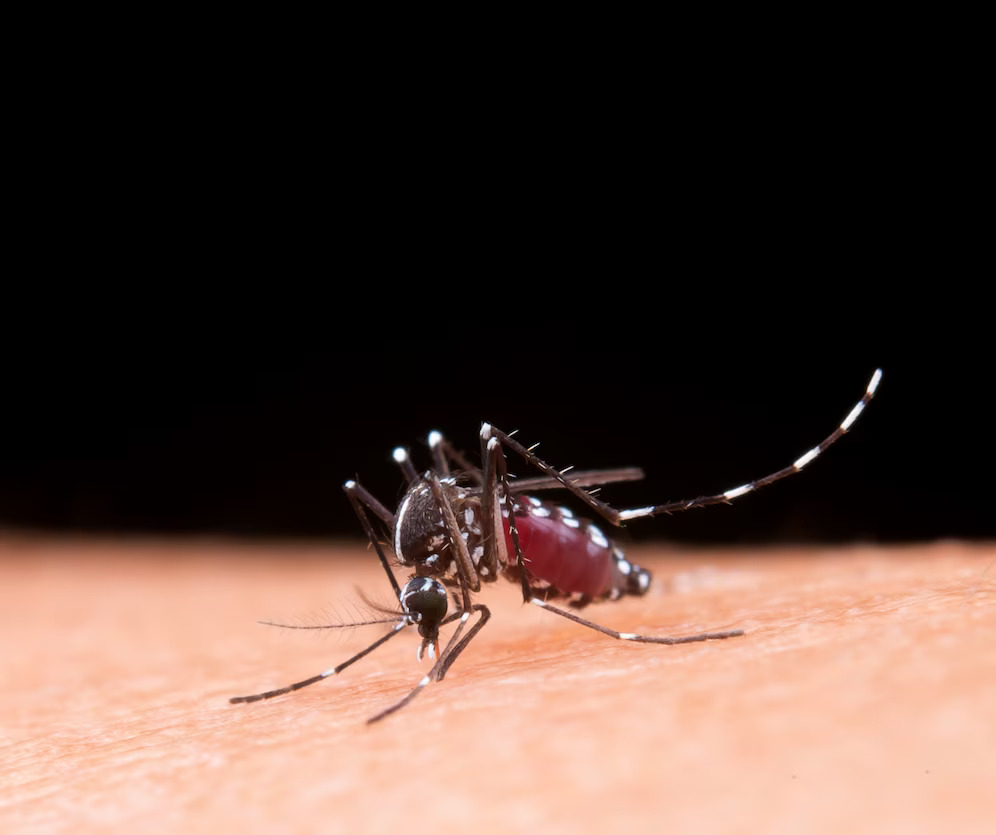
What is Dengue? Dengue viruses are spread to people through the bite of an infected Aedes species (Ae. aegypti or Ae. albopictus) mosquito. Areas with Risk of Dengue The disease is common in many popular tourist destinations in the Caribbean (including Puerto Rico), Central and South America, Southeast Asia, and the Pacific Islands. In the United States, local cases and limited spread of dengue does occur periodically in some states with hot, humid climates and Aedes mosquitoes. Symptoms If symptoms occur, they usually begin 4–10 days after infection and last for 2–7 days. Symptoms may include: high fever (40°C/104°F) severe headache pain behind the eyes muscle and joint pains nausea , vomiting swollen glands rash. Individuals who are infected for the second time are at greater risk of severe dengue. Symptoms of severe dengue Watch for signs and symptoms of severe dengue. Warning signs usually begin in the 24–48 hours after your fever has gone away. Immediately go to a local clinic or emergency room if you or a family member has any of the following symptoms. Belly pain, tenderness Vomiting (at least 3 times in 24 hours ) Bleeding from the nose or gums Vomiting blood, or blood in the stool Feeling tired, restless, or irritable being very thirsty pale and cold skin   Symptoms of dengue can become severe within a few hours. Severe dengue is a medical emergency. If you have any warning signs, see a healthcare provider or go to the emergency room immediately. Severe dengue is a medical emergency. It requires immediate medical care at a clinic or hospital. If you are traveling, find health care abroad. Diagnosis A blood test is the only way to confirm the diagnosis. As dengue fever symptoms in its early stages are very similar to symptoms of other viral illnesses such as chikungunya virus and zika virus infection, in addition to observing the patient’s symptoms and reviewing their medical history, the doctor will carry out the following tests to accurately diagnose dengue fever: Complete Blood Count (CBC) to look for any anomalies in blood composition, including hemoglobin, leukocyte, platelets, and blood concentration NS1 Ag Treatment There is no specific medicine to treat dengue. Treat the symptoms of dengue and see your healthcare provider. See a healthcare provider if you develop a fever or have symptoms of dengue. Tell him or her about your travel. Rest as much as possible. Take acetaminophen (also known as paracetamol outside of the United States) to control fever and relieve pain. Do not take aspirin or ibuprofen! Drink plenty of fluids to stay hydrated. Drink water or drinks with added electrolytes.   Recovery After receiving treatment patients will have an appetite; some patients may have a red rash with small white circles. Prevention Controlling the mosquito breeding areas Empty and clean every water container at least once a week To kill mosquito lavae put 1 gm. of Temephos sand ( Abate ) per 10litres of water in every container  Remove, empty or cover used tyres or jars that collect water Put sand in Flowerpot saucers to absorb the water Use mosquito repellant on exposed skin and dress protectively especially during the daytime. Use bed-nets and keep unscreened windows and door closed.  Avoid dark, stuffy, dingy rooms

House hotel header
Health Tips

Top Tips for Hormonal Well-Being: Nurturing Balance and Health

Subtitle: “Simple yet effective strategies for maintaining hormonal equilibrium and promoting overall well-being.”   Prioritize a Healthy Diet: Nourish Your Hormones from Within A balanced and nutrient-rich diet is essential for hormonal well-being. Incorporate foods rich in healthy fats, such as avocados and nuts, which support hormone production. Include high-fiber foods like whole grains and vegetables to aid digestion and prevent blood sugar imbalances. Opt for lean proteins, such as fish and legumes, which provide essential amino acids for hormone synthesis. Remember to limit processed foods, sugary snacks, and excessive caffeine, as they can disrupt hormonal balance.   Regular Exercise: Keeping Hormones Active and Balanced Engaging in regular physical activity is vital for hormonal health. Exercise helps regulate insulin levels, reduces stress hormones, and promotes the release of endorphins, which can uplift mood and reduce menstrual discomfort. Aim for a combination of aerobic exercises, strength training, and flexibility exercises like yoga or Pilates. Find activities you enjoy and make them a consistent part of your routine.   Manage Stress: Cultivate Relaxation and Emotional Well-being Chronic stress can wreak havoc on hormone levels, leading to imbalances and negative health consequences. Incorporate stress-management techniques such as meditation, deep breathing exercises, or mindfulness practices to reduce stress hormone production. Engage in activities that bring joy and relaxation, such as spending time in nature, pursuing hobbies, or connecting with loved ones. Prioritizing self-care and maintaining a healthy work-life balance are also crucial for managing stress effectively.   Get Sufficient Sleep: Recharge Your Hormonal System Adequate and quality sleep is vital for hormonal well-being. During sleep, the body restores hormone levels and supports overall health. Aim for 7-9 hours of uninterrupted sleep each night, and establish a regular sleep schedule. Create a calming bedtime routine, minimize exposure to electronic devices before bed, and ensure your sleep environment is conducive to relaxation and rest.   Maintain a Healthy Weight: Strive for Balance and Body Positivity Maintaining a healthy weight is essential for hormonal balance. Excess body fat, particularly around the waistline, can disrupt hormone production and increase the risk of hormonal imbalances. Focus on adopting a balanced approach to weight management, emphasizing body positivity, self-acceptance, and sustainable lifestyle changes. Seek guidance from healthcare professionals or registered dietitians to create a personalized plan that suits your unique needs.   Hormone-Friendly Supplements: Consult with a Professional Certain supplements, under the guidance of a healthcare professional, may support hormonal health. Vitamin D, omega-3 fatty acids, magnesium, and adaptogenic herbs like ashwagandha and maca are known to have potential benefits for hormonal balance. However, it’s crucial to consult a healthcare provider or a registered dietitian before introducing any supplements to ensure safety and effectiveness.   Regular Health Check-ups: Stay Informed and Proactive Regular check-ups and consultations with healthcare professionals are essential for monitoring and maintaining hormonal well-being. Discuss any concerns or symptoms related to hormonal imbalances with your healthcare provider, who can recommend appropriate tests, offer guidance, and provide necessary treatments or interventions. Remember, these tips are general guidelines, and individual hormone levels and health conditions may vary. It’s important to consult with healthcare professionals for personalized advice and recommendations based on your specific needs and circumstances.

Scroll to Top